

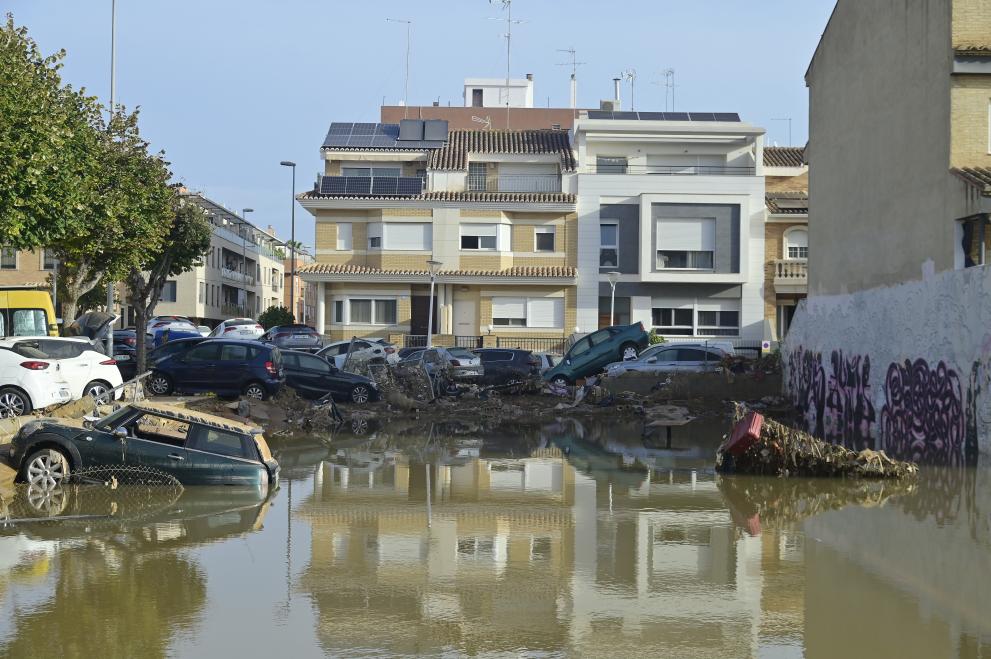
The consequences of floods and droughts also depend on choices made in local areas. An article published on 26 October 2026 by the European Commission’s Joint Research Centre (JRC) presents research separating the effects of climate from those of land use, reservoirs and water consumption.
The study covers 1951–2020 and highlights local differences that European averages cannot fully describe. Urbanisation and sealed surfaces can worsen flood peaks, while water demand can intensify drought conditions.
Water as a European priority
The European Water Resilience Strategy identifies three objectives: protecting the water cycle, improving water efficiency and ensuring access to clean, affordable water. Areas for action include infrastructure, investment, governance, research and preparedness.
The Commission also highlights green infrastructure, reducing leaks and sharing good practices. This policy framework needs to be connected with planning and the specific characteristics of each local area.
A perspective for local authorities
In Focus Europe ETS’s reading, the study offers a useful invitation to start with local knowledge and needs. For a public authority, developing cooperation can mean comparing experience, identifying skills and turning a shared challenge into a project idea.
The Focus Europe network supports dialogue among communities and organisations interested in European cooperation. Prevention, sustainability and administrative capacity can become themes for exchange among areas with different needs and shared goals.
Official sources: JRC, 26 October 2026; European Commission, European Water Resilience Strategy. Summary and local context by Focus Europe ETS.
Explore the European Water Resilience Strategy
Image: © European Union, European Commission JRC portal. Reused under CC BY 4.0; text adapted and translated.