

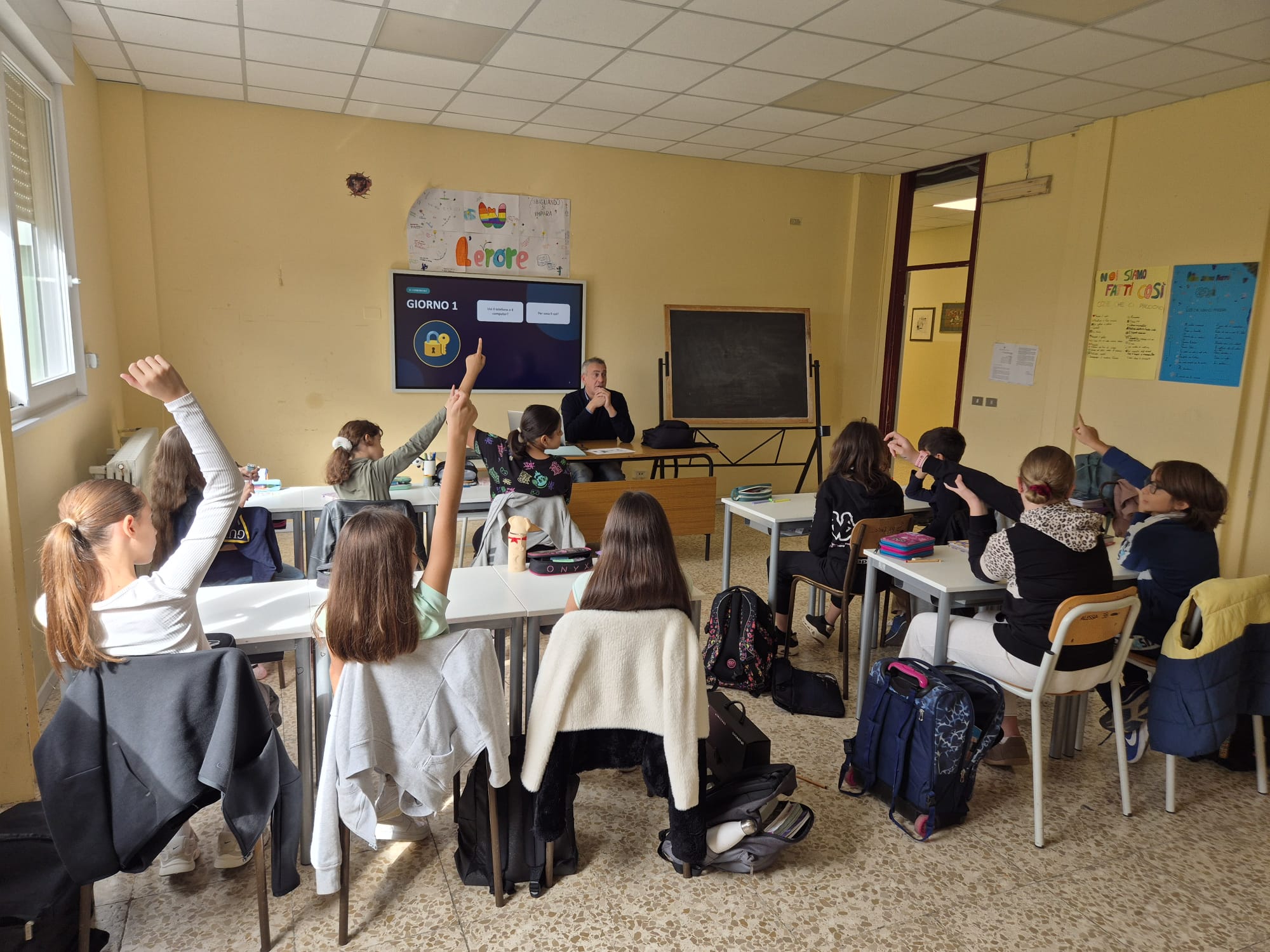
PULA — A training initiative has officially begun in Pula to promote cybersecurity awareness and responsible digital citizenship among young people. The project, entitled “Support for the digital transition to promote municipal actions supporting digital transformation and increasing cybersecurity awareness among younger generations”, implements the guidelines of the Regional Law of 11 September 2025 and Regional Government Resolution No. 51/23 of 1 October 2025.
The initiative brings together the Municipality of Pula, as lead authority and commissioning body, the “Benedetto Croce” Comprehensive School, through its lower secondary school, and Focus Europe ETS, the association of local authorities responsible for designing the learning programme and managing the workshops.
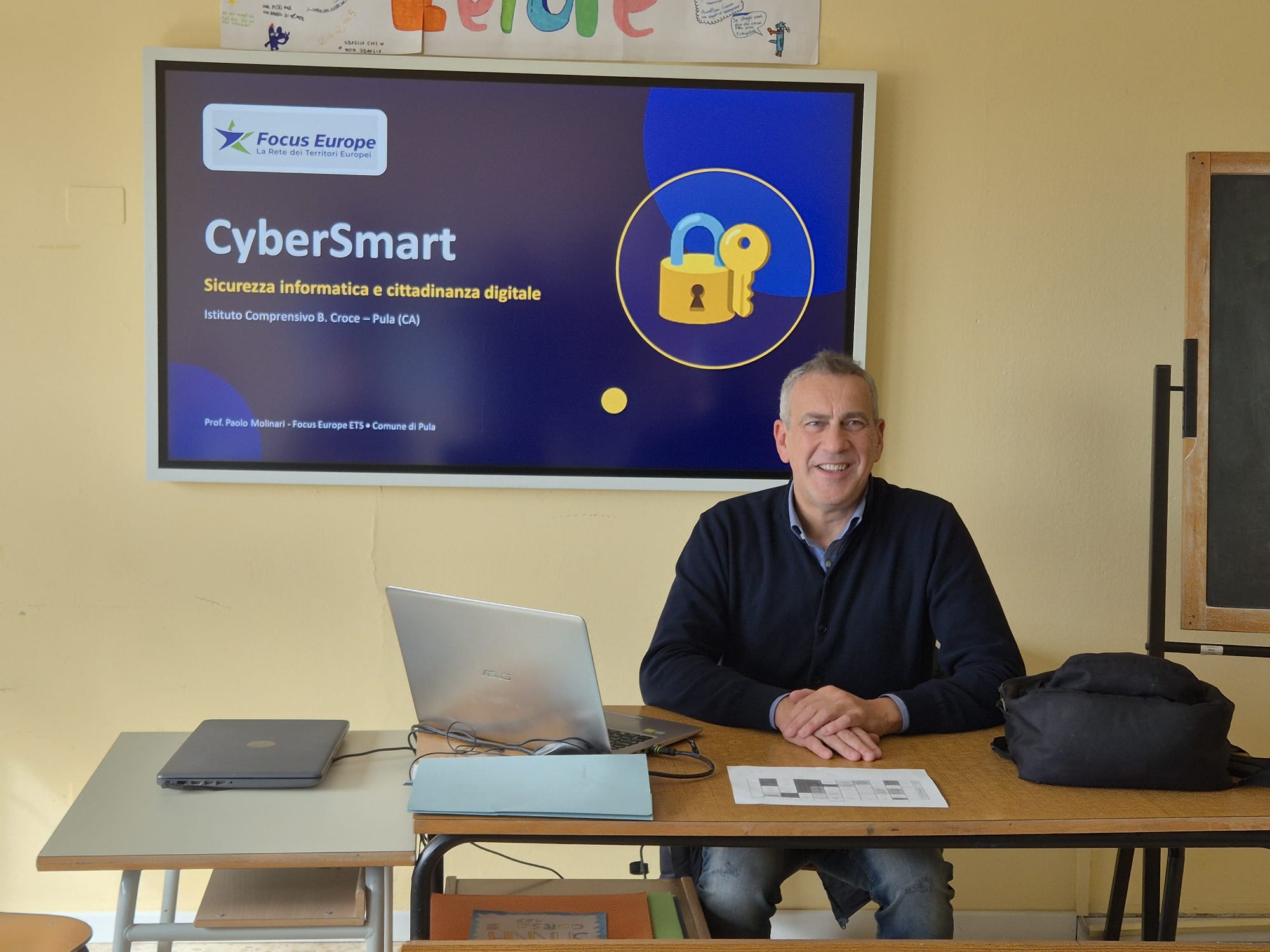
An educational partnership to address the risks of learning digital skills alone
The initiative responds to a specific need identified among local young people: although younger generations use smartphones, social networks and messaging apps confidently every day, they often lack awareness of the technical, legal and emotional risks associated with being online.
The project aims to move beyond this uncritical, self-taught approach to digital technology by building a strong network for protection and prevention involving the municipality, the school, families and specialists.
The learning programme: from basic principles to incident response
The five-hour programme for each class is organised into five integrated modules designed for students aged 11–14:
- Cybersecurity fundamentals: an introduction to data protection, the value of privacy and the CIA triad — Confidentiality, Integrity and Availability — with a focus on digital identity.
- The threat landscape: an examination of the most common risks for teenagers, including phishing, malware such as spyware and ransomware, social engineering, stolen credentials and manipulation through deepfakes.
- Endpoint security and password management: practical rules for protecting smartphones and computers, creating strong passwords and using multi-factor authentication (MFA).
- Safe browsing and social media: guidance on responsible internet use, the differences between public and protected Wi-Fi networks, the role of VPNs, and tools for recognising fake news and false profiles.
- Incident response and cyberbullying: practical procedures for responding to breaches or scams — what to do, whom to contact and how to report them — alongside an in-depth examination of cyberbullying, its effects on relationships and the civil and criminal responsibilities involved.
Learning by doing and expected outcomes
To encourage students to take an active part, the lessons adopt an interactive workshop approach instead of relying solely on lectures. Focus Europe ETS specialists use dedicated digital resources, simulated cyberattacks in controlled environments, role-playing activities, interactive quizzes and narrative teaching materials supplied directly to the school.
The shared aim of the Municipality of Pula and the “Benedetto Croce” Comprehensive School is to equip students with lasting critical thinking skills: recognising both the opportunities and risks of the internet, reducing online conflict and strengthening civic responsibility in the digital environment.